
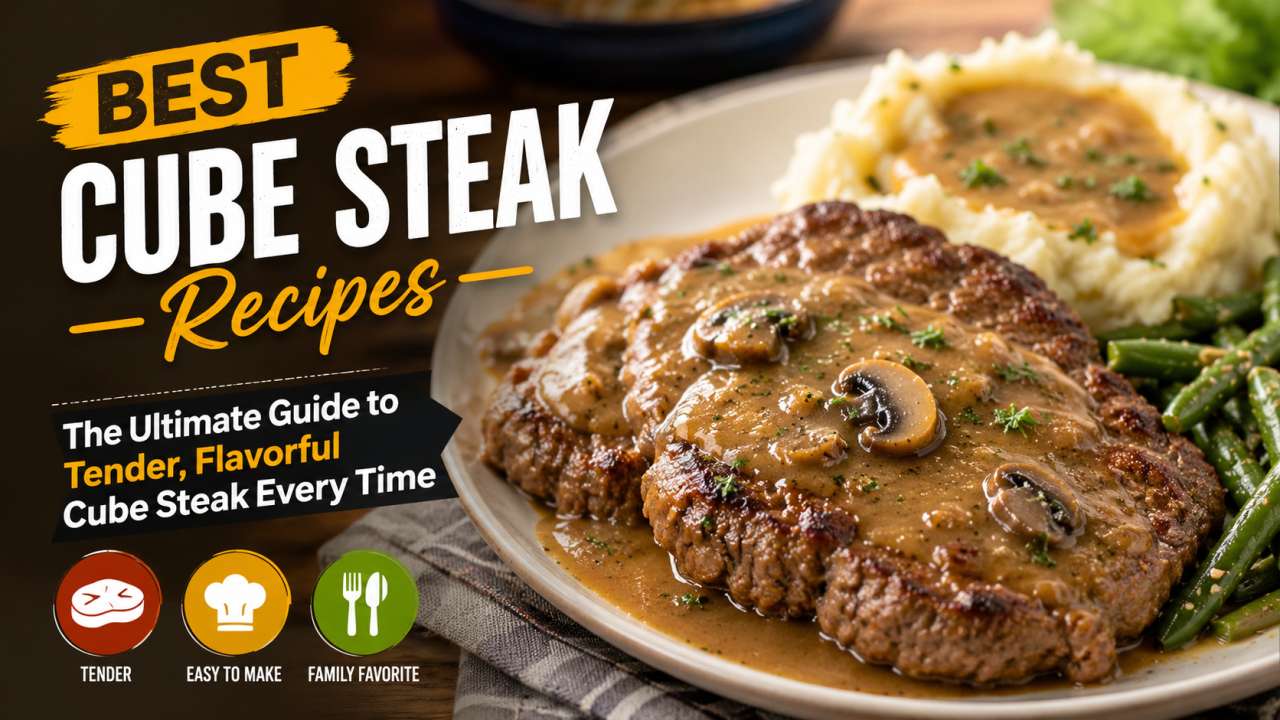
Cube steak has a reputation problem. Most people remember it as tough, chewy, and bland — the kind of meat you settle for when the budget is tight. But that reputation is outdated. When you understand what cube steak actually is and how to cook it correctly, it becomes one of the most reliable, comforting, and genuinely delicious cuts you can put on a weeknight table. This guide breaks down the best cube steak recipes, the science behind why they work, and the exact steps you need to follow to get a fork-tender result every single time.
This article draws on tried-and-tested home cooking techniques, tested against the most trusted cube steak recipes currently popular online, so you get a method that’s been proven to work in real kitchens — not just in theory.
Ultimate Cuban Sandwich Recipe: How to Make an Authentic Cubano at Home
What Is Cube Steak, Exactly?
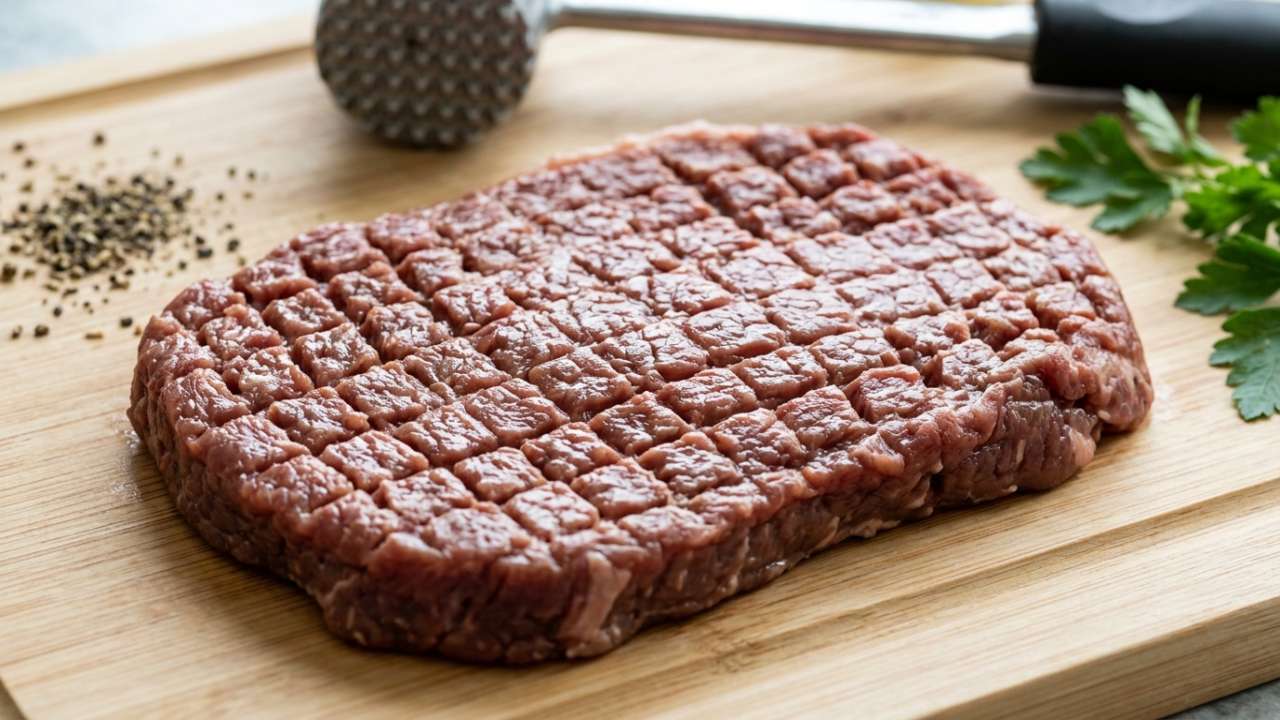
Cube steak comes from the top round or top sirloin — cuts that are naturally lean but tend to be tough because they come from a hard-working part of the cow. To make them usable as a quick-cooking steak, butchers run the meat through a mechanical tenderizer (or pound it by hand with a meat mallet), leaving behind the small dimpled, cube-like pattern that gives the cut its name.
That process is also why cube steak is sometimes labeled “cubed steak,” “minute steak,” or “breakfast steak” at the grocery store. All three names refer to essentially the same product: a pre-tenderized, thin cut of beef designed to cook fast.
Why Cube Steak Deserves a Spot in Your Rotation
| Reason | Why It Matters |
|---|---|
| Budget-friendly | Typically costs far less per pound than ribeye, sirloin, or strip steak |
| Fast cooking time | Most stovetop recipes are ready in 20–30 minutes |
| Naturally lean | Lower in fat than many popular steak cuts |
| Versatile | Works pan-fried, baked, slow-cooked, or smothered in gravy |
| Family-friendly | Mild flavor pairs well with almost any seasoning profile |
The Core Problem: Why Cube Steak Turns Out Tough
Even though cube steak arrives pre-tenderized, it can still turn out rubbery if it’s cooked incorrectly. There are two main culprits:
- Overcooking at high heat. Cube steak is thin, so it goes from tender to overdone in a matter of minutes.
- Skipping the second tenderizing pass. Pounding the steak again at home, even briefly, breaks down more muscle fiber and dramatically improves the final texture.
Understanding these two failure points is the difference between a rubbery disappointment and a melt-in-your-mouth dinner.
Ingredients: What You’ll Need for Classic Smothered Cube Steak
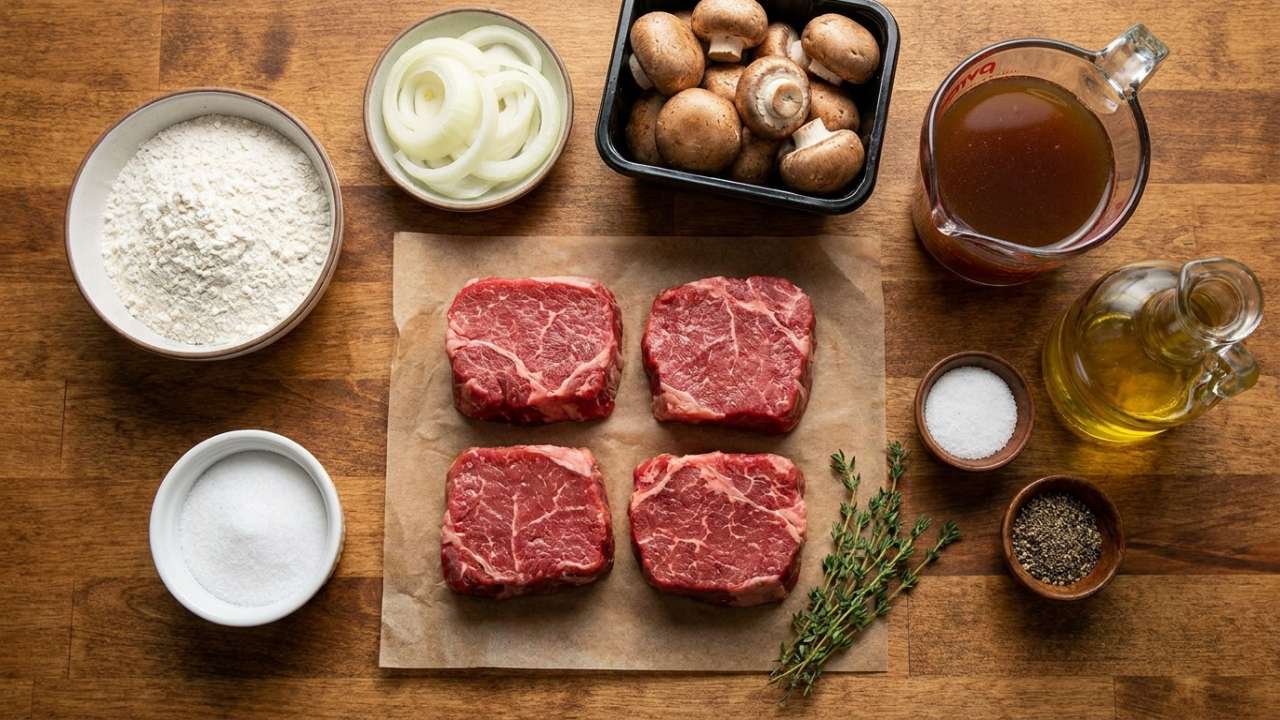
This version – pan-seared cube steak finished in a rich brown gravy – is the most popular style across today’s top-performing recipes, and for good reason: it’s forgiving, comforting, and pairs with almost any side dish.
Materials and Equipment
- A large skillet (cast iron preferred for the best sear)
- Plastic wrap or a resealable bag
- A meat mallet or heavy rolling pin
- A whisk
- A meat thermometer (optional but recommended)
- Tongs
Ingredient List (Serves 4)
| Ingredient | Amount | Purpose |
|---|---|---|
| Cube steaks | 4 pieces (about 2 lbs) | Main protein |
| All-purpose flour | ½ cup | Coating for browning and thickening the gravy |
| Kosher salt | 1 tablespoon | Seasoning |
| Black pepper | 1 teaspoon | Seasoning |
| Garlic powder | 1 teaspoon | Flavor base |
| Onion powder | 1 teaspoon | Flavor base |
| Cooking oil (avocado or vegetable) | 3 tablespoons | Searing — avoid olive oil, which burns at high heat |
| Yellow onion, sliced | 1 medium | Gravy base and flavor |
| Beef broth | 2 cups | Gravy liquid |
| Worcestershire sauce | 2 teaspoons | Depth of flavor |
| Butter | 2 tablespoons | Richness in the gravy |
Step-by-Step Method
Step 1: Tenderize the Meat
Place each cube steak between two sheets of plastic wrap. Using the textured side of a meat mallet, pound each piece to about half an inch thick. Even though cube steak has already been mechanically tenderized at the butcher, this second round at home makes a noticeable difference in the final texture.
Step 2: Season and Dredge
Combine the flour, salt, pepper, garlic powder, and onion powder in a shallow dish. Reserve about two tablespoons of the seasoned flour for thickening the gravy later. Dredge each steak in the mixture, pressing gently so it adheres evenly on both sides, then shake off the excess.
Step 3: Sear the Steaks
Heat the oil in a skillet over medium-high heat until it shimmers. Working in batches if needed, sear the steaks for 3–4 minutes per side, until a deep golden-brown crust forms. Avoid crowding the pan — overcrowding causes steaming instead of searing, which prevents that flavorful crust from developing. Transfer the seared steaks to a plate.
Step 4: Build the Gravy Base
In the same skillet, add the sliced onions and cook for about 5 minutes, until softened and lightly golden, scraping up the browned bits from the bottom of the pan (this is where most of the flavor lives). Stir in the butter and the reserved seasoned flour, cooking for one minute to remove the raw flour taste.
Step 5: Simmer
Slowly whisk in the beef broth and Worcestershire sauce, making sure no lumps remain. Bring the mixture to a gentle simmer.
Step 6: Return the Steaks to the Pan
Nestle the seared cube steaks back into the gravy. Cover and simmer on low heat for 15–20 minutes, until the meat is fork-tender and the gravy has thickened to a smooth, pourable consistency.
Step 7: Rest and Serve
Let the dish rest for 3–5 minutes off the heat before serving. This allows the juices to redistribute through the meat instead of spilling out onto the plate.
Easy Cuban Recipes at home 7 Authentic Dishes to Try
Three Ways to Cook Cube Steak (Beyond the Skillet)
Not every night calls for the same method. Here’s how the three most common approaches compare.
| Method | Total Time | Best For | Texture Result |
|---|---|---|---|
| Stovetop (pan-seared + simmered) | 30–40 minutes | Weeknight dinners | Crisp exterior, tender interior |
| Oven-baked | 2+ hours | Hands-off cooking, batch meals | Extremely tender, fall-apart texture |
| Slow cooker | 4–6 hours (low) | Meal prep, busy days | Very tender, gravy fully infused into meat |
Oven Method (Low and Slow)
Sear the steaks as described above, then transfer them to a baking dish with the gravy poured over the top. Cover tightly with foil and bake at 325°F for about two hours. The extended, gentle heat breaks down the connective tissue completely, producing a texture closer to pot roast than pan-fried steak.
Slow Cooker Method
Sear the steaks first for flavor, then transfer everything — meat, gravy, and aromatics — into a slow cooker. Cook on low for 4–6 hours. This is the most hands-off option and works well if you want dinner ready when you walk in the door.
Flavor Variations Worth Trying

Once you’ve mastered the base technique, small swaps can completely change the dish:
- Mushroom gravy — Sauté sliced mushrooms separately and stir them in during the final few minutes so they keep their color and texture.
- Tomato gravy — Replace part of the beef broth with canned stewed tomatoes for a Southern-style, slightly tangy version.
- Spicy kick — Add a pinch of cayenne or a spoonful of chili powder to the flour mixture.
- Gluten-free version — Swap the all-purpose flour for a 1:1 gluten-free blend or arrowroot powder, and thicken the gravy with a cornstarch slurry instead.
What to Serve with Cube Steak
Cube steak’s mild, savory flavor pairs naturally with starchy, comforting sides that can soak up the gravy.
- Mashed potatoes
- Buttered egg noodles
- White or brown rice
- Roasted green beans
- Garlic biscuits
Common Mistakes to Avoid
- Skipping the second tenderizing step — this is the single biggest factor in whether the meat turns out tough or tender.
- Cooking at too low a temperature during the sear — this prevents proper browning and leads to a gray, flavorless crust.
- Cutting into the meat immediately after cooking — always let it rest briefly so the juices stay in the meat instead of on the cutting board.
- Overcrowding the pan — cook in batches if necessary to maintain proper heat and browning.
How to Choose the Best Cube Steak at the Store
Not all packages labeled “cube steak” are created equal. A few things to check before you buy:
Look at the Cut Source
Cube steak made from top round tends to be slightly leaner and firmer, while top sirloin versions are a bit more marbled and forgiving if you slightly overcook them. Either works well with the method above, but if the package doesn’t specify, top sirloin is the safer bet for beginners.
Check the Thickness
Look for pieces that are roughly even in thickness across the whole cut. Uneven pieces cook unevenly, which makes it harder to get a consistent sear.
Inspect the Tenderizing Pattern
The dimpled, waffle-like texture should be visible across the entire surface, not just in patches. A thorough tenderizing pattern is a good sign that the butcher processed it properly, which reduces how much work you’ll need to do at home.
Storage and Reheating Tips
Cube steak actually improves slightly the next day, since the gravy has more time to soak into the meat.
- Refrigerator: Store in an airtight container for up to 4 days.
- Freezer: Freeze in a freezer-safe container or bag for up to 3 months. Lay it flat for faster, more even thawing.
- Reheating: Warm gently over low heat on the stovetop with a splash of beef broth or water to loosen the gravy. Avoid the microwave on high power, since it can make the meat rubbery — use 50% power in short bursts instead, stirring in between.
Nutritional Snapshot (Per Serving, Approximate)
| Nutrient | Amount |
|---|---|
| Calories | 320–380 kcal |
| Protein | 30–35 g |
| Fat | 16–20 g |
| Carbohydrates | 10–14 g |
| Sodium | 650–800 mg |
These values vary depending on the exact cut, amount of oil used, and gravy thickness, but they give a realistic baseline for a standard serving of pan-seared cube steak with gravy.
Frequently Asked Questions
Is cube steak the same as ground beef? No. Cube steak is a solid, tenderized cut of beef — usually top round or top sirloin — while ground beef is minced meat. They cook very differently and aren’t interchangeable in most recipes.
Why is my cube steak tough even after cooking it a long time? This usually happens when the meat is cooked too briefly at high heat instead of being either quickly seared and finished on low heat, or slow-cooked for an extended period. Cube steak needs either a fast sear or a long, gentle simmer — the in-between zone is where toughness happens.
Can I cook cube steak without breading or flour? Yes. A simple seared version with just salt, pepper, and a splash of Worcestershire sauce works well and keeps the dish naturally low-carb and gluten-free.
What internal temperature should cube steak reach? For food safety, ground and mechanically tenderized cuts like cube steak should reach an internal temperature of at least 160°F, according to USDA guidance for tenderized beef products.
Can I freeze leftover cube steak and gravy? Yes. Store it in an airtight container for up to three months. Thaw overnight in the refrigerator and reheat gently on the stovetop, adding a splash of broth if the gravy has thickened too much.
Final Thoughts
The best cube steak recipes all share the same foundation: a proper second tenderizing pass, a hot sear for flavor, and either a quick simmer or a long, low cook to finish breaking down the muscle fibers. Once you understand that formula, you can adapt it endlessly — swap the gravy, change the seasoning, or move it from stovetop to oven to slow cooker depending on your schedule. Budget-friendly, quick to prepare, and endlessly adaptable, cube steak earns its place as a genuine weeknight staple rather than a fallback option.