
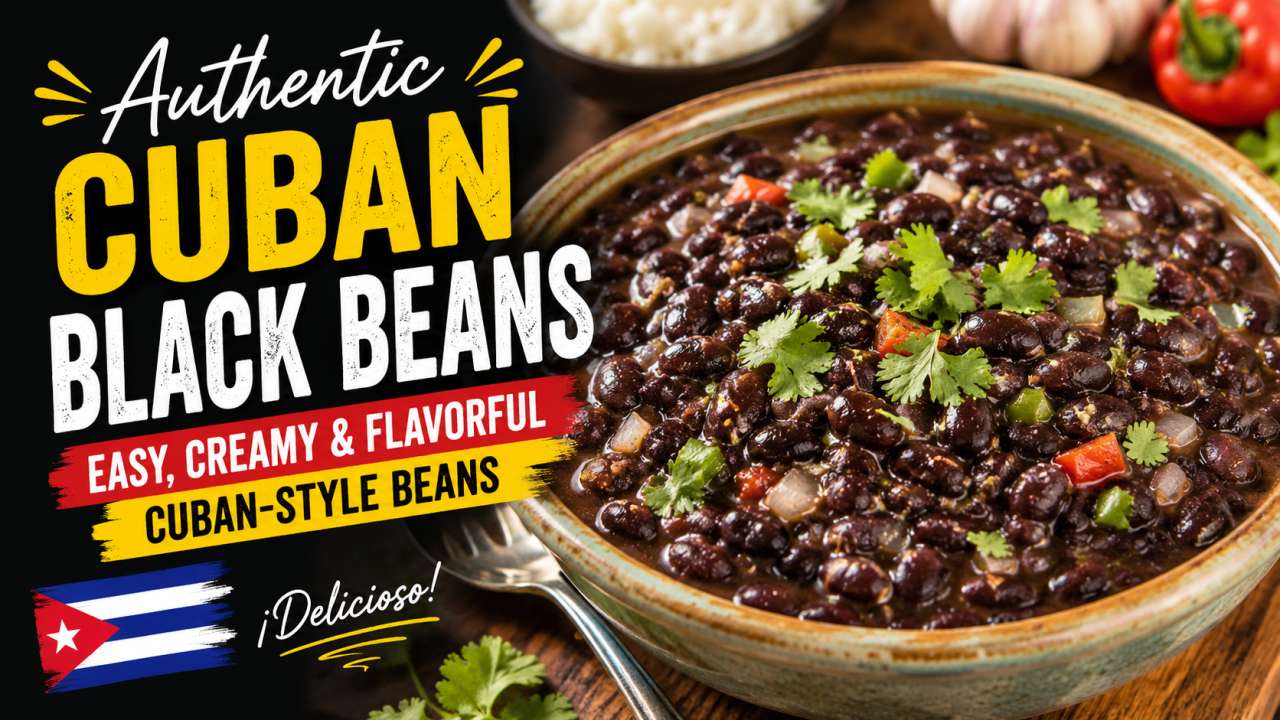
If you’ve ever eaten at a Cuban restaurant, chances are a bowl of dark, glossy, deeply seasoned beans sat right next to your rice. This Cuban black beans recipe — known in Spanish as frijoles negros — is the real version: rich, silky, and layered with the sofrito flavors that define Cuban home cooking. Below you’ll find two complete methods (dried beans and canned beans), the exact materials you need, and a full step-by-step process so you can make this dish with confidence, no matter your kitchen experience.
What Are Cuban Black Beans (Frijoles Negros)?
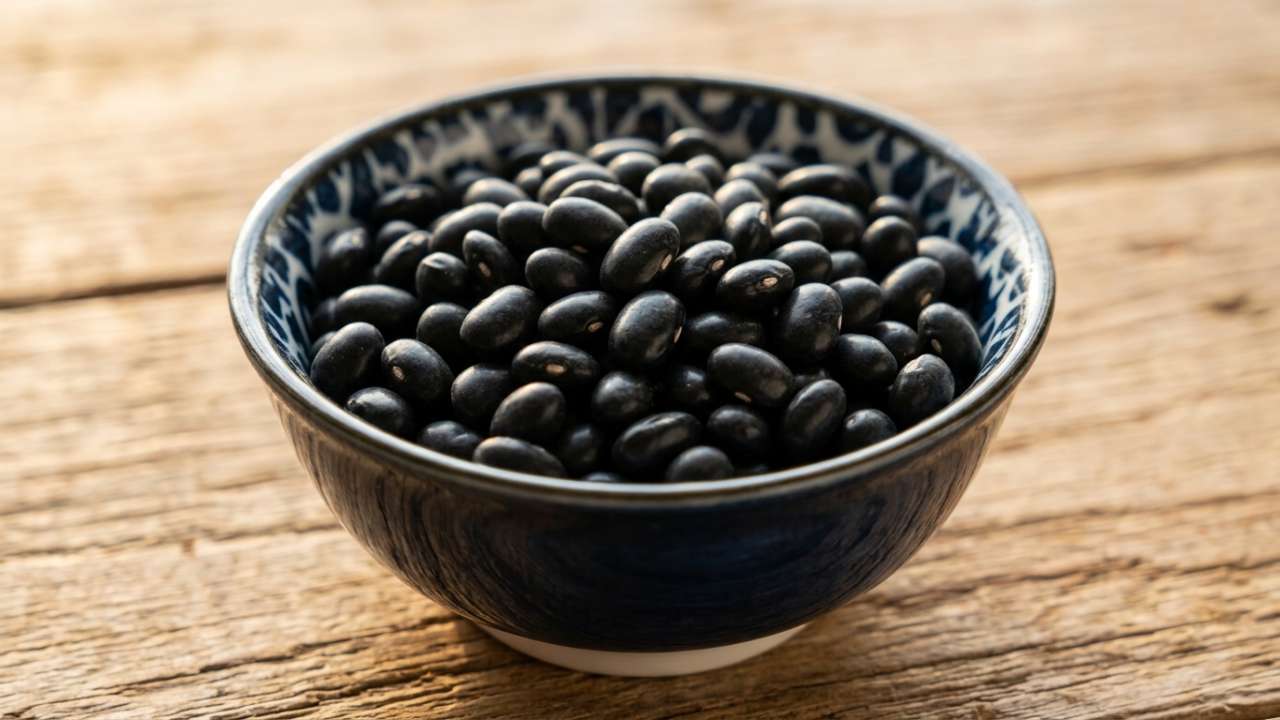
Cuban black beans are a slow-simmered bean dish built on a base of sautéed onion, green pepper, and garlic — called sofrito — combined with cumin, oregano, bay leaf, and a splash of vinegar for brightness. Black beans themselves are native to the Americas and have been cultivated for thousands of years, which is why nearly every country in Latin America has its own version of frijoles negros. Cuba’s take is distinct for its use of green bell pepper (or the milder ají cachucha), a touch of sugar to round out the acidity, and a finishing drizzle of olive oil.
This dish is rarely eaten alone. It’s the backbone of Moros y Cristianos (black beans and rice), and it’s a staple side for roast pork, fried plantains, and yuca with mojo.
A Short History of Cuban Black Beans
Black beans (Phaseolus vulgaris) were domesticated in Mesoamerica and the Andes thousands of years ago and have been a dietary staple across Latin America ever since. In Cuba, black beans became especially prominent after Spanish colonization, when African, Spanish, and Indigenous culinary traditions blended together. The pairing of beans and rice — Moros y Cristianos — is said to symbolize this cultural mixing, and it remains one of the most recognizable dishes to come out of Cuban kitchens. Understanding this background matters, because it explains why the seasoning choices in this recipe (sofrito, cumin, bay leaf, and a splash of acidity) aren’t arbitrary — they’re the result of generations of home cooks refining the dish.
Why This Cuban Black Beans Recipe Works
This recipe draws on the techniques used across generations of Cuban home cooks and professional recipe developers, combining the best of both traditions:
- A proper sofrito — the aromatic base that gives the beans their signature depth, rather than relying on seasoning alone.
- Two cooking methods — a traditional slow-simmered version with dried beans, and a fast 30-minute version with canned beans, so the recipe fits your schedule.
- Balanced acidity — vinegar added at the right moment keeps the flavor bright instead of dull or flat.
- Rest time — like most bean dishes, frijoles negros taste even better the next day, a tip long-time cooks swear by
Ingredients You Need for Authentic Cuban Black Beans
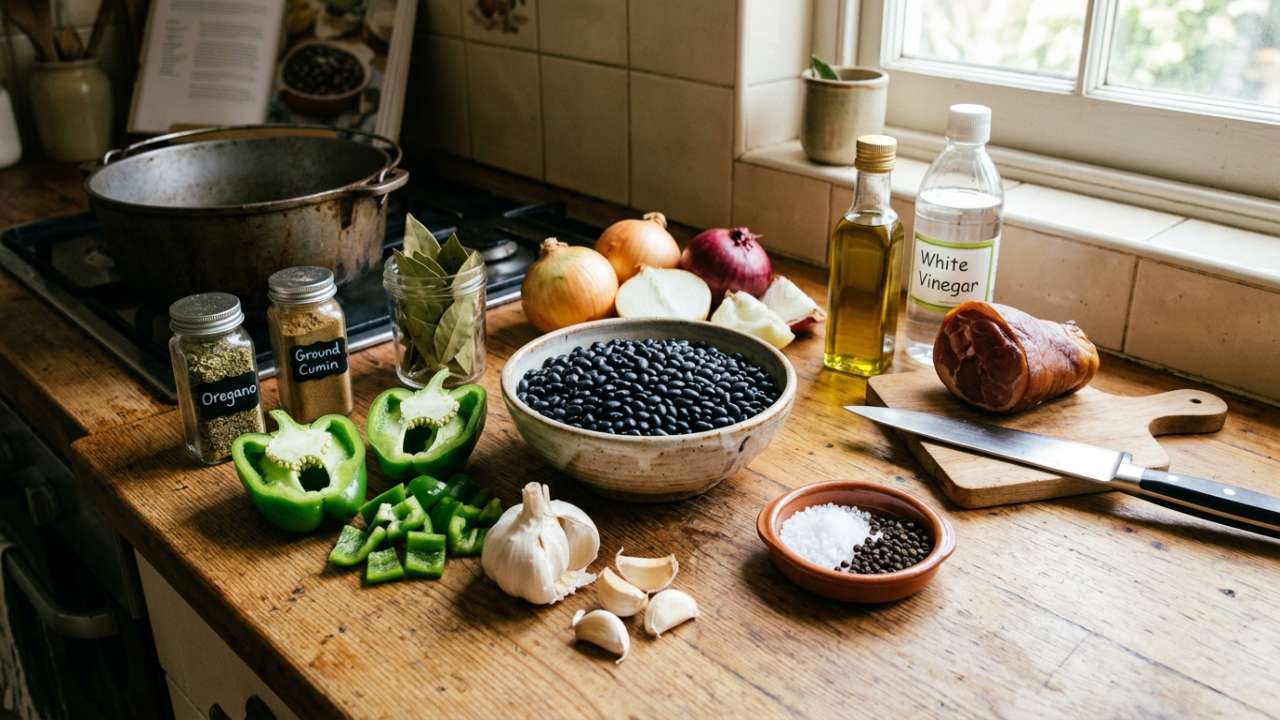
The Sofrito Base
The sofrito is the flavor engine of this dish. A traditional Cuban sofrito includes:
- Onion, finely diced
- Green bell pepper (or ají cachucha/cubanelle pepper), finely diced
- Garlic cloves, minced
- Olive oil
Spices and Seasonings
- Ground cumin
- Dried oregano
- Bay leaf
- Smoked paprika (optional, for depth)
- Salt and black pepper
- White or apple cider vinegar
- A pinch of granulated sugar
Dried vs. Canned Beans — Which Should You Use?
| Factor | Dried Black Beans | Canned Black Beans |
|---|---|---|
| Total time | 8+ hours (soaking) + 1.5–2 hours cooking | About 30 minutes |
| Flavor depth | Richest, most traditional | Very good, slightly lighter |
| Texture | Creamiest, silkiest | Good, slightly firmer |
| Best for | Weekend cooking, meal prep, freezing | Weeknight dinners |
| Skill level | Beginner-friendly, just needs planning | Beginner-friendly, fastest |
Both methods are authentic — Cuban households use each depending on the day. The instructions below cover both.
A note on authenticity: The steps below reflect how Cuban black beans are actually cooked in home kitchens — not a shortcut version stripped of flavor. If a step seems slightly slower than you expected (like resting the beans before serving), it’s included because skipping it genuinely changes the final taste. Cooking times are also given as ranges rather than fixed numbers, since stove strength, bean freshness, and altitude all affect how quickly beans soften.
Best Cube Steak Recipes: The Ultimate Guide to Tender, Flavorful Cube Steak Every Time
Materials and Equipment Required
- A large, heavy-bottomed pot or Dutch oven (a pressure cooker or Instant Pot works too and cuts cooking time significantly)
- A cutting board and sharp knife for the sofrito
- A wooden spoon for stirring
- A colander (only needed if soaking dried beans)
- Measuring spoons
- A ladle or ice cream scoop for mashing a portion of the beans to thicken the broth
How to Make Cuban Black Beans: Step-by-Step
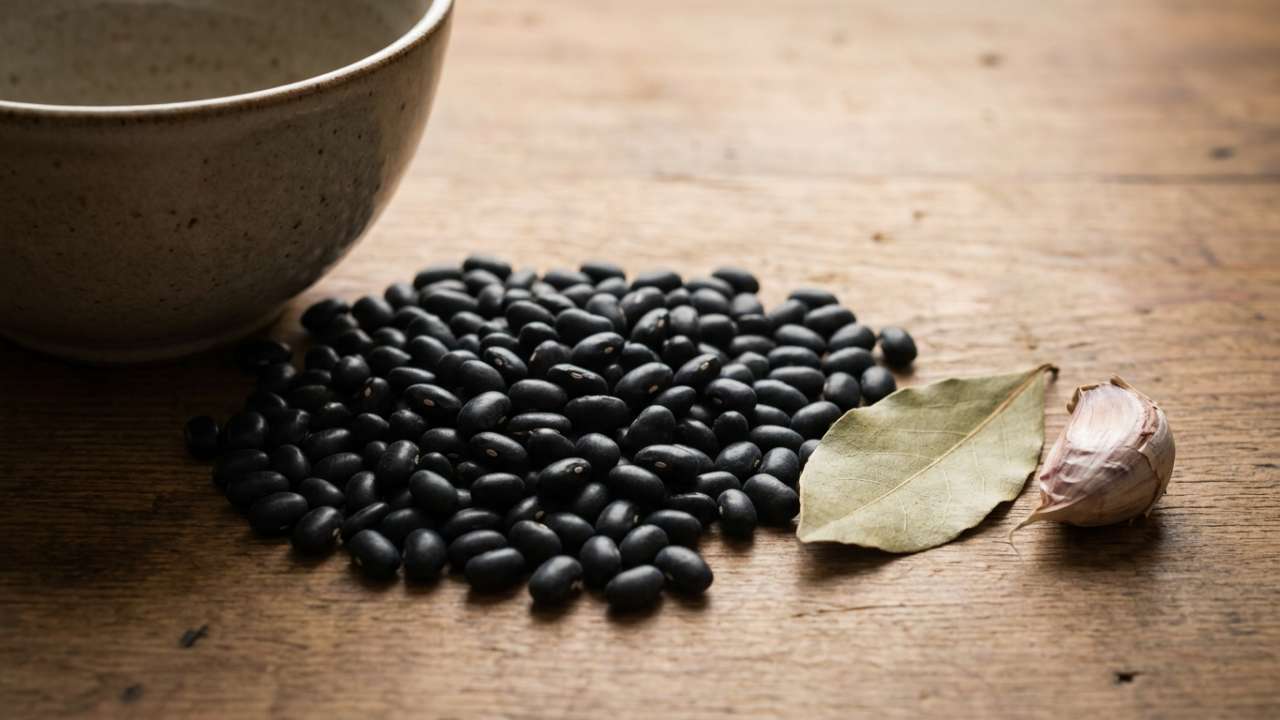
Method 1: Traditional Recipe Using Dried Black Beans
Step 1: Soak the beans. Rinse 1 pound of dried black beans, removing any debris or shriveled beans. Cover with water by at least 2 inches and soak for 8 hours or overnight. This softens the beans and shortens the cooking time.
Step 2: Build the sofrito. Heat 3 tablespoons of olive oil in a large pot over medium heat. Add the diced onion, green pepper, and garlic. Sauté for about 5 minutes, until the vegetables soften and release their aroma.
Step 3: Bloom the spices. Stir in the cumin and oregano and cook for 30–60 seconds. This step wakes up the spices and prevents a raw, dusty taste in the final dish.
Step 4: Add the beans and water. Drain the soaked beans and add them to the pot along with the bay leaf and enough fresh water to cover the beans by about 2 inches.
Step 5: Simmer low and slow. Bring to a boil, then reduce the heat to the lowest setting, cover, and simmer for 1.5 to 2 hours, stirring occasionally. The beans are done when they’re tender but still hold their shape.
Step 6: Thicken and season. Remove about a cup of beans, mash them with a fork or the back of a spoon, and stir them back into the pot — this naturally thickens the broth. Add the vinegar, sugar, and salt to taste. Simmer uncovered for another 10–15 minutes.
Step 7: Rest before serving. Turn off the heat and let the beans sit for at least 30 minutes, or ideally a few hours. This resting period is what gives Cuban black beans their signature deep flavor.
Method 2: Quick Recipe Using Canned Black Beans
Step 1: Prep the sofrito. Heat 2 tablespoons of olive oil in a saucepan over medium heat. Add diced onion, green pepper, and garlic. Cook for 4–5 minutes until soft.
Step 2: Bloom the spices. Add the cumin, oregano, and smoked paprika, and cook for 30 seconds until fragrant.
Step 3: Add the beans. Pour in two 15-ounce cans of black beans, including their liquid (do not drain or rinse — the starchy liquid builds the sauce). Add half a cup of water or broth and a bay leaf.
Step 4: Simmer. Bring to a gentle boil, then reduce heat and simmer uncovered for 15 minutes, stirring occasionally so the beans don’t stick to the bottom.
Step 5: Finish with vinegar. Stir in 1 tablespoon of vinegar and a pinch of sugar just before serving. Adding the vinegar at the end, rather than during cooking, keeps its brightness from fading.
Step 6: Serve. Remove the bay leaf and serve hot over white rice, garnished with chopped cilantro or scallions.
Ultimate Cuban Sandwich Recipe: How to Make an Authentic Cubano at Home
Pro Tips for Perfect Frijoles Negros
- Don’t rinse canned beans. The liquid inside the can is full of starch and flavor that helps build a naturally thick sauce.
- Mash, don’t blend. Mashing a portion of the beans by hand keeps the texture rustic; a blender makes them gluey.
- Add vinegar last. Acidity cooked in for too long loses its punch — always finish with it.
- Let them rest. Like a good stew, these beans continue developing flavor after the heat is off.
- Freeze in portions. Cuban black beans freeze extremely well for up to 3 months, making them ideal for meal prep.
Nutritional Benefits of Cuban Black Beans
Black beans are one of the most nutrient-dense legumes available, which is part of why this dish has stayed a staple for generations.
| Nutrient (per 1 cup cooked) | Approximate Amount | Benefit |
|---|---|---|
| Protein | ~15 g | Supports muscle repair and satiety |
| Fiber | ~15 g | Aids digestion and gut health |
| Iron | ~3.6 mg | Supports energy and oxygen transport |
| Folate | ~256 mcg | Important for cell growth |
| Calories | ~227 kcal | Nutrient-dense, low-fat protein source |
Black beans are also high in resistant starch, which helps regulate blood sugar and supports a healthy gut microbiome, making this dish as functional as it is flavorful.
What to Serve with Cuban Black Beans
- White rice — the classic pairing, forming Moros y Cristianos when combined
- Fried sweet plantains (maduros) — for a sweet contrast
- Roast pork (lechón or pernil) — the traditional Cuban centerpiece
- Yuca with mojo — for a complete Cuban feast
- Avocado or a simple green salad — for freshness
- Tacos, burritos, or grain bowls — a modern, versatile use for leftovers
Common Mistakes to Avoid
- Skipping the sofrito — seasoning alone can’t replace the depth a properly sautéed base provides.
- Boiling too hard — a rapid boil breaks the beans apart; a low simmer keeps them intact.
- Adding salt too early with dried beans — salting before the beans soften can toughen the skins.
- Rinsing canned beans — this washes away flavor-building starch.
- Serving immediately — skipping the rest period means missing out on the fullest flavor.
Storage and Reheating
Cuban black beans keep well in an airtight container in the refrigerator for up to 5 days. To freeze, cool completely and store in portioned, freezer-safe containers for up to 3 months. Reheat gently on the stovetop with a splash of water or broth to loosen the sauce, stirring occasionally.
Easy Cuban Recipes at home 7 Authentic Dishes to Try
Frequently Asked Questions
Are Cuban black beans the same as regular black beans?
Not exactly. Plain black beans are just the cooked legume, while Cuban black beans are seasoned with a sofrito of onion, pepper, and garlic, plus cumin, oregano, and vinegar, giving them a distinctly Cuban flavor profile.
Why do my black beans turn brown instead of staying black?
Some dried bean varieties lose pigment as they cook, especially with long simmering. This is normal and doesn’t affect flavor. Beans typically darken again slightly as they cool.
Can I make this recipe in a pressure cooker or Instant Pot?
Yes. Using soaked dried beans, pressure cook on high for about 25–30 minutes with a natural release, then finish with the sofrito and vinegar as described above.
Is this recipe vegan and gluten-free?
Yes, as long as vegetable broth or water is used instead of chicken broth, this dish is naturally vegan, vegetarian, and gluten-free.
What can I use instead of green bell pepper?
Ají cachucha (also called ajicito) is the traditional choice in Cuban households and has a milder, slightly fruitier flavor than standard green bell pepper, though either works well.
Final Thoughts
This Cuban black beans recipe brings together the techniques that make frijoles negros so beloved: a proper sofrito, well-timed seasoning, and a little patience. Whether you choose the traditional dried-bean method for a weekend project or the 30-minute canned version for a weeknight dinner, the result is the same — a rich, comforting bowl of beans that pairs perfectly with rice, plantains, and everything else on a Cuban plate. Make a double batch, because these beans truly do taste better the next day.